
A series of seminars on Sápmi and Sámi history, culture and contemporary life

The seminar series Sápmi and its cultural history is organised by the Kin Museum of Contemporary Art in collaboration with Várdduo – Centre for Sámi Research at Umeå University, Tjállegoáhte Sápmi Writers’ Centre and HDK-Valand. Maria Lind and Harald Gaski are the curators of the series. The seminars will address issues including land, history, education, art and rights, with Sámi researchers and cultural practitioners as speakers and panellists. The seminars will be held in English and can be attended both in person and online.
The Truth Commission and the seminar series
On 30 September, the Truth Commission for the Sámi People will submit its final report and its collection of testimonies to the Government. The Commission has been tasked with mapping and reviewing the policies pursued towards the Sámi people and with highlighting the experiences of the Sámi and how historical injustices affect their circumstances today. The Commission is also to put forward proposals for measures that can contribute to redress, reconciliation and a vibrant Sámi society.
This series of seminars offers an opportunity to deepen our understanding of the history and cultural history of Sápmi, as well as of contemporary Sámi experiences, living conditions and forms of expression. For SKH, it is also about engaging with other traditions of knowledge and exploring how these can contribute to discussions on artistic practice, research and education.
‘As a Swedish university, we have a responsibility to understand Sámi history, culture and contemporary life. For a university engaged in artistic research, it is also important to be familiar with the various traditions of knowledge that exist within the society of which we are a part. Encountering other ways of understanding relationships between people, land, materials and other forms of life can also make us more aware of our own position and our limitations,’ says Petra Bauer, professor at SKH.
Knowledge through encounters
Collaboration between the various departments is a central part of the series. By bringing together artistic research, art institutions and stakeholders within Sámi research and culture, opportunities are created to approach questions of history, place, land, language, materiality and artistic practice from multiple angles.
‘The various parties bring with them different knowledge, experiences and ways of working. Through this collaboration, issues can be explored in greater depth from multiple angles simultaneously. It also means that SKH is not working in isolation to define what is important to know but is part of a context where knowledge and questions are developed together with others,’ says Petra Bauer.
On 30 November, SKH will host one of the seminars, with duojár and Professor Gunvor Guttorm, who will share her knowledge of duodji. The seminar gives SKH students, teachers and researchers the opportunity to meet Gunvor Guttorm in person and gain a deeper insight into duodji as a practice.
Ahead of several of the seminars, SKH is also organising reading circles. The idea is to set aside time for shared reading and reflection before the seminars.
‘The reading group is not led by an expert, but is based on us reading, asking questions and thinking together. Reading together allows us to pause and reflect on what we do not understand, what moves us or what troubles us, and to formulate questions together that we can then bring with us into the seminars,’ says Petra Bauer
A dialogue that needs to continue
For SKH, the seminar series is also part of a longer-term endeavour. The collaboration builds on the contacts established when SKH hosted SAAR’s summer school in Kiruna/Giron.
‘Even then, it became clear to us that this could not be a stand-alone project. The dialogue needed to continue and be explored in greater depth. In the longer term, we therefore hope that both the knowledge and the relationships can become part of how SKH approaches research, education and institutional responsibility,’ says Petra Bauer.
For artistic research, this also means acknowledging that there are multiple traditions of knowledge within the society in which we operate.
‘A university that talks about diversity must also be able to examine the history and power relations of which its own department and the society in which it operates are a part,’ says Petra Bauer.
The seminar series is open to anyone who wishes to learn more about Sápmi and Sámi history, culture and contemporary life.
Find out more here: Sápmi and its Cultural History 2026–27
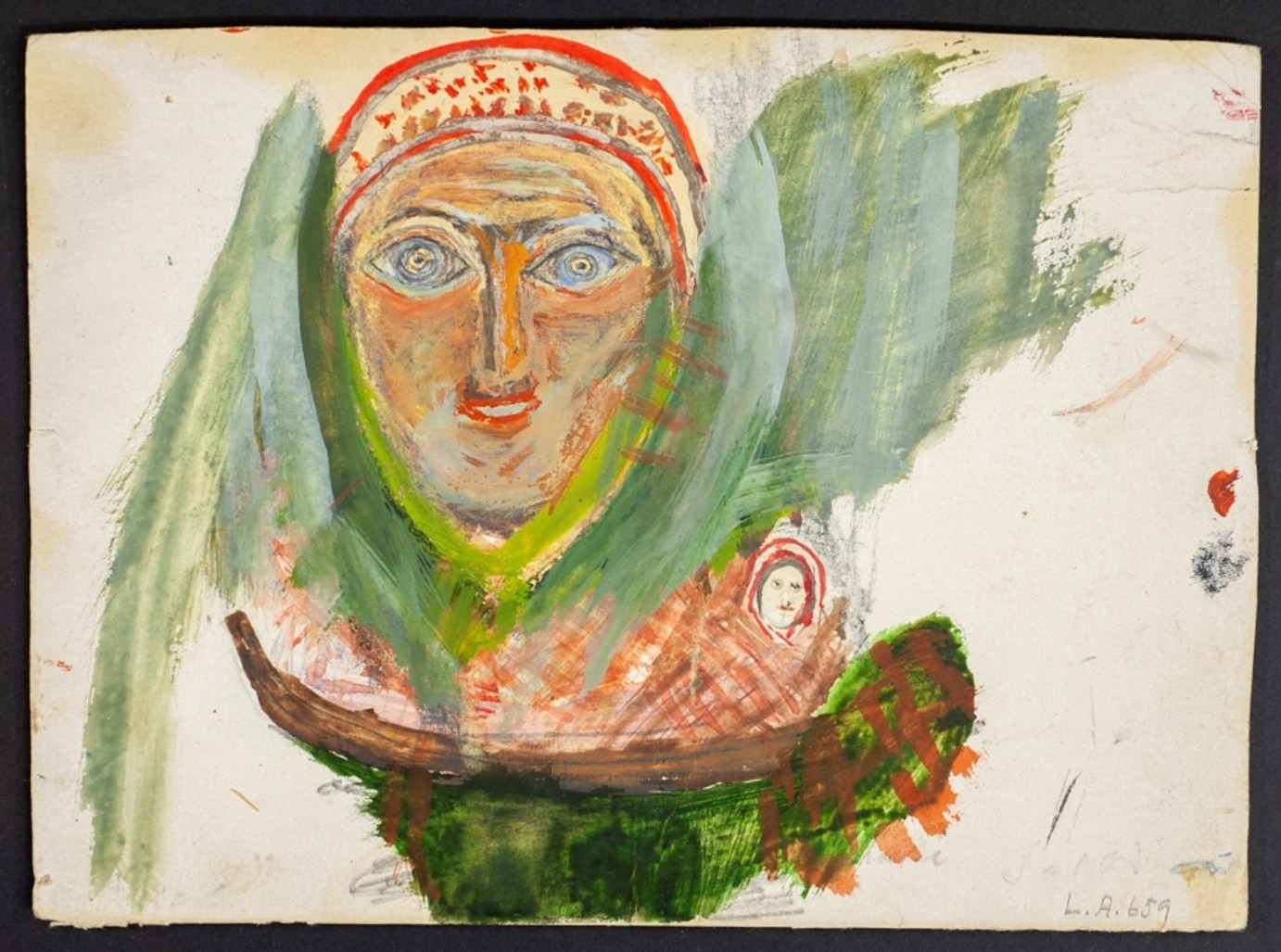 Artwork by Johan Turi, Woman’s Face, a Child in a Kont.
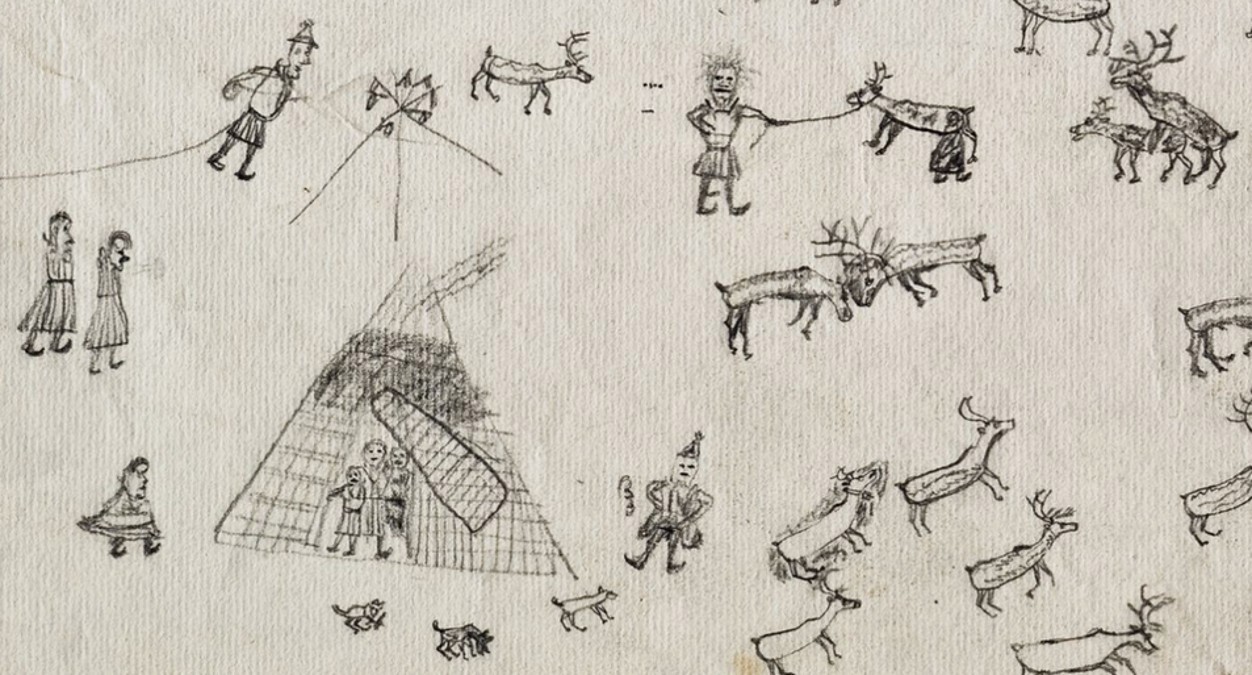 Artwork by Johan Turi, Different Lappmarks: Everyday Scenes Around a Reindeer Herd
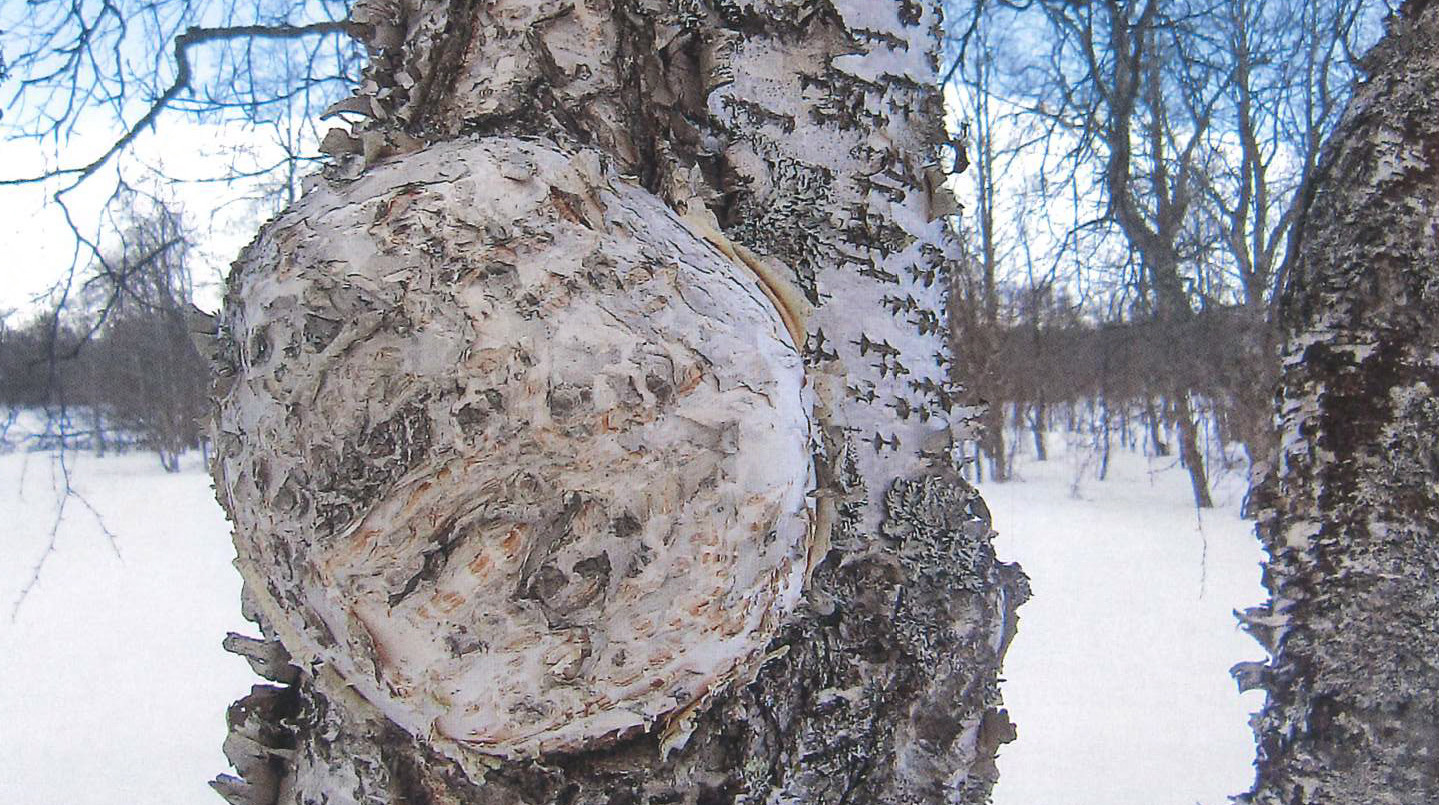 Photo by Gunvor Guttorm
